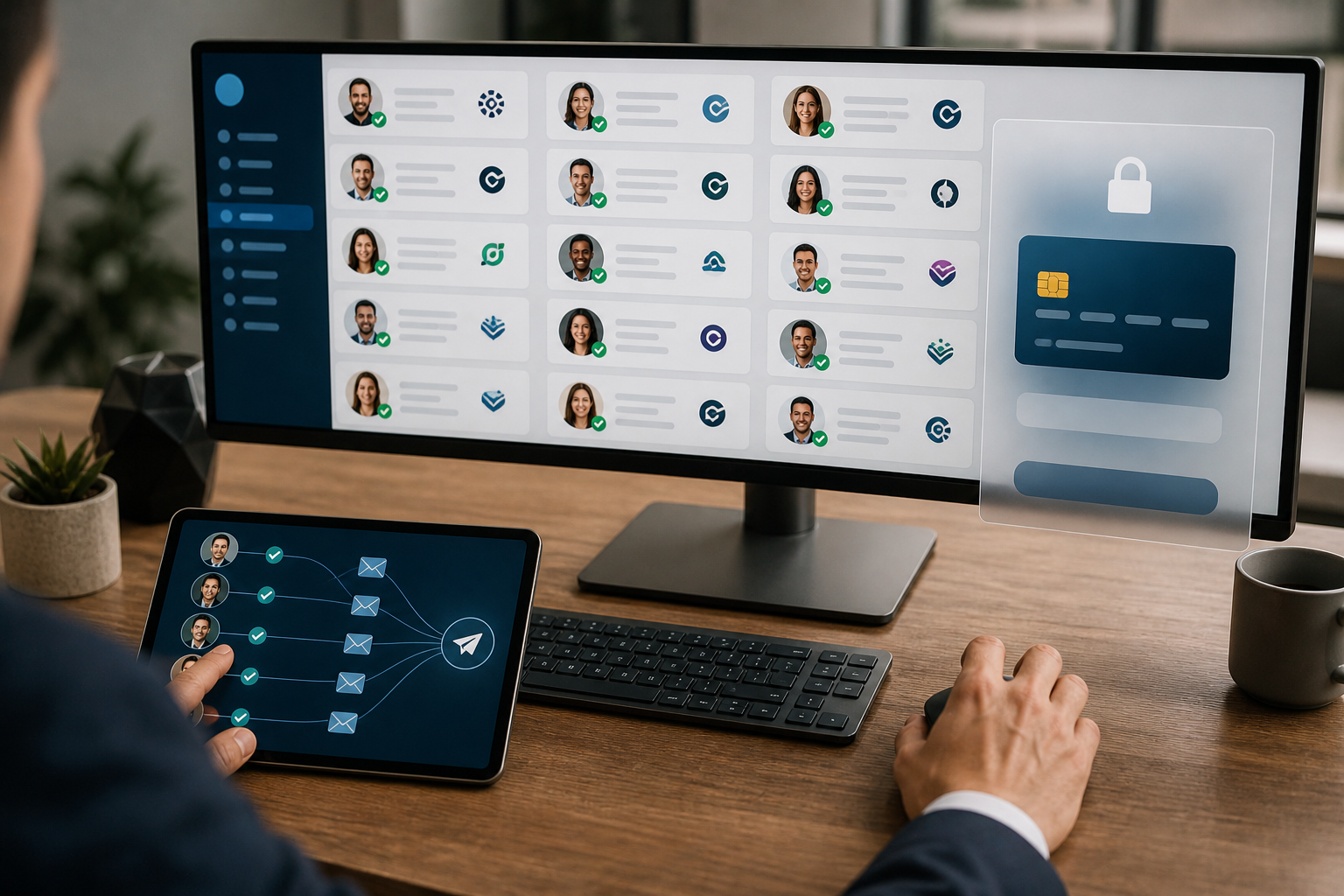
A large outreach campaign that never lands in an inbox wastes time, reputation, and marketing budget. For many Philippine businesses, the difference between a campaign that converts and one that fizzles comes down to one thing: the quality of the contact list. A verified B2B email list can transform sales outreach from guesswork into a measurable channel that produces meetings, proposals, and closed deals.
What a verified B2B email list actually is and why it matters
A verified B2B email list is more than a spreadsheet of company names and email addresses. It contains business contacts that have been checked for accuracy and deliverability. Typical verification includes syntax checks, domain and mail exchange validation, and active mailbox tests that reduce bounced messages. A quality list includes contextual fields that matter for outreach, such as job title, company size, industry, city, and often a phone number or LinkedIn profile link.
For Philippine firms, this matters because bounce rates and spam complaints directly affect sender reputation with local internet service providers and international platforms. If you run a small SaaS startup in Makati or a manufacturing supplier in Cavite, high bounce rates can reduce your deliverability across all campaigns. Verified lists reduce that risk and increase the chance that a targeted message reaches the right decision maker.
How verification works and what to expect
Verification happens at several levels. First, an automated syntax check weeds out malformed addresses. Next, domain validation confirms the company domain exists and has mail servers configured. SMTP checks probe whether a mailbox responds without sending an actual message. More advanced vendors perform engagement checks, which measure whether an address has a history of opens and clicks, or whether it triggers spam traps.
Beyond automated tests, good providers use human validation on a sample of contacts, cross-check public records, and refresh records regularly. A list labeled verified should include a verification date and a method description. If a vendor cannot explain precisely how they verified the addresses, treat that as a warning sign.
Why verified B2B email lists benefit Philippine businesses
A verified list raises the effectiveness of outreach in four tangible ways. First, deliverability improves because fewer messages bounce or trigger filters. Second, open and reply rates go up, since contacts are more likely to be accurate decision makers. Third, sales cycles shorten when messages reach relevant titles, such as procurement managers in manufacturing or HR heads in BPO companies. Fourth, vendor credibility improves because your domain maintains a healthy sending reputation.
Consider a Manila-based HR software company targeting medium enterprises in Metro Manila and Cebu. Sending to 5,000 unverified contacts with a 20 percent bounce rate wastes roughly 1,000 sends and risks deliverability for future emails. Using a verified list where bounces are below 2 percent preserves reputation and increases the pool of real conversations. For a firm charging ₱50,000 per customer on average, converting just a few extra verified leads pays for the lists and campaign costs many times over.
Legal and privacy considerations for Philippine companies
The Philippines Data Privacy Act governs the collection, storage, and use of personal data. Business email addresses associated with identifiable individuals fall under this framework. Before buying or using a list, ensure the seller can document lawful processing and, where required, consent or a legitimate business purpose. Obtain a signed data processing agreement with your vendor, and keep a clear record of how you use the data.
Even when B2B outreach is permissible, act responsibly. Include a straightforward unsubscribe link, store opt-outs centrally, and remove unsubscribed contacts promptly. If you plan to enrich or append personal information, ensure your privacy notices reflect that activity. Failure to follow these practices risks regulatory penalties and reputational damage, which cost more than any list purchase.
How to evaluate vendors before you buy
Not all lists are equal, and a high price does not guarantee quality. Before purchasing, ask vendors for a transparent verification report and a sample file you can test. Confirm how frequently they update records and whether they source data directly from company filings, trade show attendees, or web crawling. Ask for references from other Philippine customers and request a small trial purchase or money-back guarantee if a significant portion of contacts bounce.
Check whether the vendor includes enrichment services such as company revenue, employee count, or industry codes. These fields matter for segmentation. Also determine the geographic coverage for the Philippines. A vendor might have broad APAC data but poor penetration of Tier 2 cities like Iloilo, General Santos, or Bacolod. Clarify licensing terms, data transfer procedures, and whether they will sign a data processing agreement that conforms to the Data Privacy Act.
How to verify and clean a purchased list on your own
Even with a verified list, run your own quality checks before launching a full campaign. Start by using a reputable email verification tool to scan for syntax errors, role-based accounts such as info@ or sales@, and known disposable domains. Remove duplicate records and unify different formats for company names and job titles. Append missing data points when possible, such as converting “Mgr” and “Manager” to a single normalized title.
Next, segment the list by industry, company size, and city. A segmented approach yields better personalization and higher response rates. For example, an office equipment supplier can create separate messages for schools in Quezon City, call centers in Muntinlupa, and law firms in Ortigas. Before sending a full campaign, run a pilot to a small batch of 200 to 500 contacts to measure deliverability and initial engagement and to warm up your sending domain.
Best practices for campaigns that use verified B2B email lists
Start by warming your domain. If you plan to send thousands of emails from a new domain, begin with low-volume campaigns and gradually increase volume over several weeks. Otherwise, you risk being flagged by spam filters. Use clear from names that include a person plus the company, for example "Maria Santos, Business Development at Acme PH", rather than a generic company address.
Personalize the first sentence to reference a real business fact, such as a recent announcement, a local office, or an event. Short subject lines work best and should set a clear expectation, for example "Quick question about HR software at your Manila office". Avoid salesy language and excessive punctuation. Keep the message concise and close with an explicit next step, such as a 15-minute call.
A simple four-step outreach sequence tends to perform well. The first email introduces the sender and offers a clear benefit or insight. The second message, sent three to five days later, provides social proof such as a case study with a Philippine client. The third is a reminder that includes a helpful resource, and the fourth offers an easy opt-out while reiterating the value proposition. Track opens, clicks, replies, and conversions. If low engagement persists, pause and review subject lines, message relevance, and list segmentation.
Measuring ROI from verified lists, with an example
To estimate returns, use conservative assumptions and clear metrics. Suppose a Cebu-based IT services firm buys 2,000 verified contacts at ₱120 each, a total of ₱240,000. They send a warm campaign that achieves a 20 percent open rate and a 3 percent click-to-conversion rate, meaning 0.9 percent of recipients become qualified leads. From 2,000 contacts, that produces 18 leads. If the average contract value is ₱150,000 and the close rate from qualified leads is 22 percent, the firm closes about four deals, generating ₱600,000 in revenue.
Subtract the list cost and campaign expenses such as email platform fees and sales follow-up time, and the campaign still produces a positive return. Adjust these assumptions based on your industry. In sectors with longer sales cycles, such as industrial equipment in Batangas, conversion rates will be lower but deal sizes often make outreach worthwhile.
Common mistakes that waste budget and how to avoid them
A frequent error is buying the largest list available without checking relevance. Vast lists with poor targeting drive costs and produce low-quality leads. Another mistake is ignoring local context. Messaging that resonates with Manila procurement teams may not work for Mindanao agribusiness owners. Failing to warm a domain or to maintain unsubscribe lists leads to higher spam complaints and long-term deliverability problems.
To avoid these issues, purchase progressively, test rigorously, and prioritize segmentation. Keep your database tidy by scheduling regular re-verification every three to six months. Document consent sources and maintain a clear audit trail for your data processing activities.
Practical next steps for Philippine business owners and managers
If you currently use purchased lists, start by auditing your most recent campaign. Check bounce rates, spam complaints, and conversion metrics. If bounces exceed 5 percent, pause future sends and run verification. When selecting a new vendor, request a trial sample and demand a verification report. For companies without a list, invest in a small, highly targeted pilot: buy 300 to 500 contacts in a specific industry and city, craft a tailored message, and measure results.
Partner with your legal or compliance advisor to ensure your use of third-party lists complies with the Data Privacy Act. Finally, combine email outreach with other channels such as LinkedIn messages and carefully targeted phone outreach for higher response rates.
Final thoughts
Verified B2B email lists are not a shortcut to instant sales, but they are a necessary foundation for predictable outreach. For Philippine businesses that want to scale B2B acquisition, verification reduces waste, improves deliverability, and helps your messages reach the people who matter. With careful vendor selection, local compliance, and disciplined campaign practices, a verified list can become a reliable source of meetings and revenue.