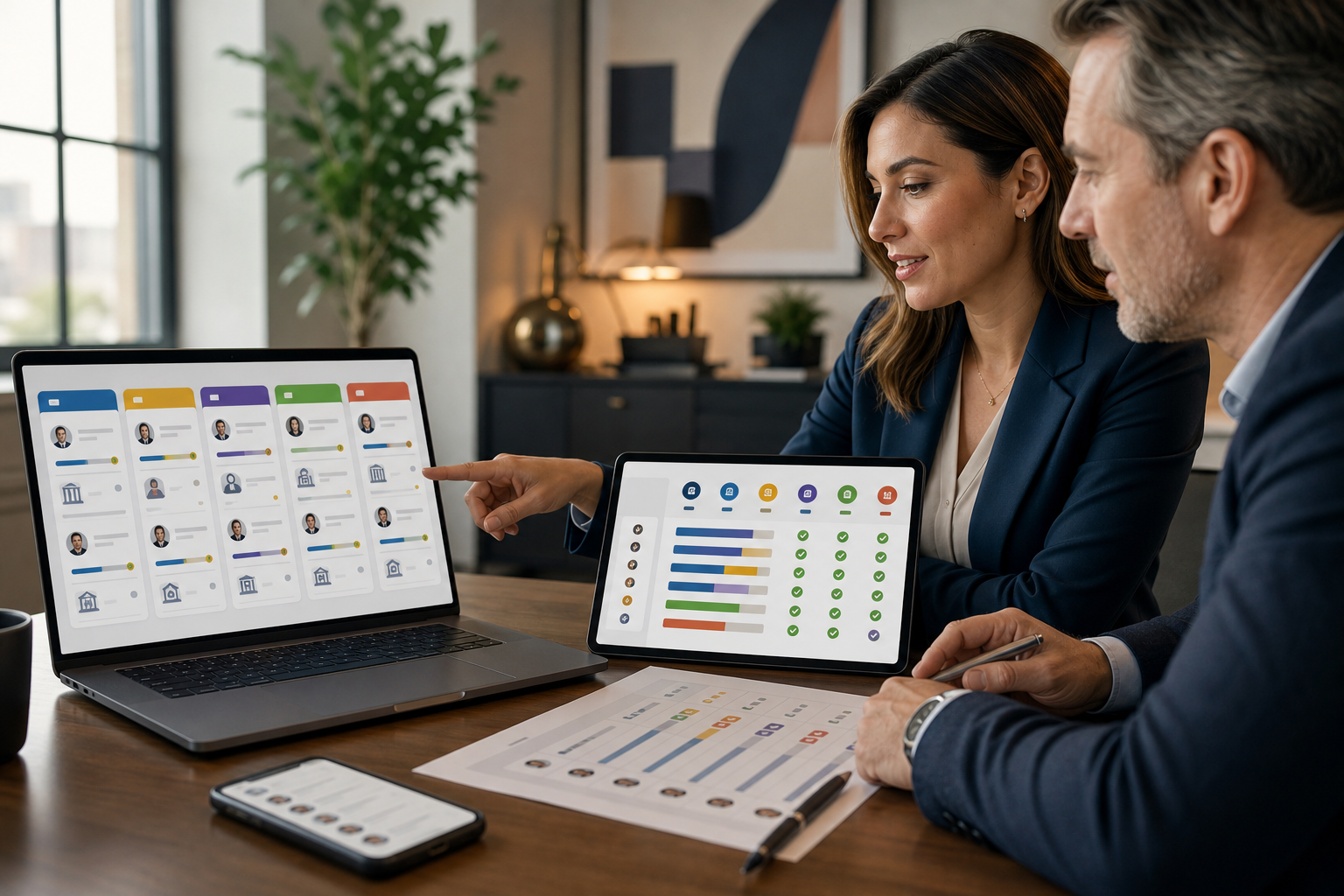
Many Philippine businesses treat lead generation like a hope rather than a system. They run one-off campaigns, chase generic contact lists, and then wonder why sales never close. B2B lead generation services can change that, by turning prospecting into a repeatable process that delivers qualified meetings and measurable outcomes. For owners and managers in Manila, Cebu, Davao, and beyond, the right partner can free your sales team to close deals while an expert pipeline builder identifies the right companies, decision makers, and timing.
What B2B lead generation services do for Philippine companies B2B lead generation services take responsibility for finding and nurturing potential buyers so your sales team meets prospects who are already interested and somewhat qualified. The work typically covers research, list building, outreach, lead qualification, appointment setting, and handoff into your CRM. Providers rely on a mix of channels, including professional networks, targeted email, telemarketing, content-driven inbound tactics, events, and paid campaigns.
For a Cebu-based industrial supplier, for example, a service might identify distributors in Luzon, run a tailored email and LinkedIn outreach campaign, then set commercial meetings with procurement managers. For an IT services firm in Quezon City, the same provider could run account-based marketing for selected enterprises, paired with targeted ads and follow-up calls to secure executive briefings.
How B2B lead generation services work, step by step Most reputable providers follow a predictable sequence that reduces wasted effort and improves conversion.
First, they define the ideal customer profile and target accounts with you. This means specifying industry, company size, geography, and job titles. Second, they build and verify contact lists, using paid databases, local directories, public filings, and direct research. Third, they execute outreach that mixes messages and channels rather than relying on a single email blast. Fourth, they qualify leads using agreed criteria, asking about budget, timeline, decision process, and need. Finally, they hand qualified opportunities to your sales team with context and suggested next steps.
The Filipino business environment calls for cultural sensitivity and local knowledge. A lead gen service that understands procurement seasons in government offices, company fiscal calendars in export hubs like Batangas, and corporate culture in Metro Manila will create better messaging and timing.
Which channels deliver best results for Philippine B2B lead generation No single channel wins every time. Effective campaigns combine channels to build awareness and then convert interest into meetings.
LinkedIn outreach works well for technology, professional services, and executive-level targets in Metro Manila and Makati. Cold email remains cost-efficient for mid-level procurement contacts, provided the list quality is high and messages are localized. Telemarketing or appointment-setting calls still convert strongly with manufacturing buyers in Cebu and industrial zones in Cavite, where decision makers prefer human contact. Content marketing, such as localized case studies or industry reports, attracts inbound interest from companies researching solutions in Visayas or Mindanao. Events and trade shows can produce high-quality leads for exporters and logistics firms, especially when paired with pre-event outreach and post-event follow-up.
Choosing the right mix depends on your industry, sales cycle length, and the buyer personas you need to reach.
How to choose a B2B lead generation service in the Philippines Selecting a provider should feel like hiring a specialist extension of your sales team. Ask for evidence and insist on clear deliverables.
Start with experience relevant to your industry and region. Request case studies that show measurable results, such as number of qualified meetings per month, conversion rates from meeting to opportunity, and average deal value. Ask how they source data and what verification steps they use. Confirm they understand the Philippines Data Privacy Act and will not use scraped personal data that violates local rules.
Demand transparency around reporting and CRM integration. You need real-time visibility into pipeline stages, and clean handoffs so leads do not fall through the cracks. Verify their definition of a qualified lead and match it to your sales process. A provider might call a lead qualified if the contact agrees to a meeting, but your team may require budget confirmation and procurement timeline. Clarify this upfront.
Insist on a trial period or pilot engagement. Many providers will accept a three-month pilot for a fixed fee or reduced retainer, including a minimum number of qualified meetings. This mitigates risk and demonstrates capability.
Red flags to watch for Providers that guarantee unrealistic volumes without a clear sourcing strategy, that rely solely on purchased lists without verification, or that refuse to share sample leads before contract signing should prompt caution. Be skeptical of any vendor that pressures you to sign long contracts before demonstrating results.
Typical pricing and what to budget for in pesos Pricing for B2B lead generation services in the Philippines varies widely based on the scope, channels, and lead complexity. Here are practical ranges to expect, expressed in Philippine pesos.
- Per qualified lead pricing: For straightforward contacts like mid-level procurement or IT managers, expect between ₱500 and ₱2,500 per qualified lead. For executive-level or highly technical leads, prices commonly range from ₱3,000 to ₱8,000 per lead.
- Monthly retainer model: Small to mid-sized engagements often start at ₱30,000 to ₱80,000 per month for a combination of list building, outreach, and reporting. Comprehensive programs with account-based marketing, multi-channel campaigns, and dedicated campaign managers can run from ₱100,000 to ₱300,000 per month.
- Performance or hybrid models: Some firms charge a lower retainer plus a performance fee per qualified meeting or per closed deal. This can align incentives but read the fine print about what "qualified" means.
Example scenario and ROI calculation Imagine a Manila-based B2B software company targeting medium enterprises with an average contract value of ₱500,000 and an expected sales conversion rate of 20 percent from qualified meeting to closed deal. They hire a lead gen service for a three-month pilot at ₱120,000 per month, and secure 20 qualified meetings in that period at an effective cost of ₱18,000 per meeting.
If two of those meetings convert into contracts, the revenue is ₱1,000,000. Subtract the campaign cost of ₱360,000, and you get a gross return of ₱640,000. That is a profitable outcome, and it does not account for lifetime value or referrals generated from those clients.
Adjustments matter. If your sales cycle is longer than three months, measure pipeline velocity and track long-term revenue linked to the campaign. If initial conversion rates are low, tighten qualification criteria and improve sales follow-up.
Onshore, offshore, and in-house tradeoffs for Philippine businesses Many Philippine firms consider whether to build an internal lead generation team, hire a local agency, or work with an international provider. Each option has tradeoffs.
An in-house team gives you direct control and closer alignment with sales, but recruiting experienced B2B researchers, SDRs, and campaign managers can be costly. Expect recruitment and training costs, plus monthly salaries in Metro Manila for experienced SDRs ranging from ₱30,000 to ₱70,000.
A local provider offers cultural alignment, understanding of regional markets, and proximity for face-to-face meetings when necessary. Local agencies also tend to have established relationships with Filipino decision makers and knowledge of compliance requirements.
International agencies can provide scale and specialist techniques, but they may lack local business customs and procurement processes. Hybrid models can combine a foreign agency's strategic capability with local execution partners or a local in-country team.
How to run a 90-day test that proves value Begin with a clear goal, measurable metrics, and shared accountability. A simple 90-day plan looks like this.
Week 1 to 2, align on target accounts, lead definition, and metrics. Configure CRM pipelines and set reporting cadence. Weeks 3 to 6, launch outreach across selected channels, using localized messaging. Weeks 7 to 10, iterate messaging and targeting based on initial responses, optimizing for better qualification. Weeks 11 to 12, review outcomes, including number of qualified meetings, pipeline value, and handoff quality. Hold a formal review with the provider to decide whether to scale.
Measure not just quantity but quality. Track meeting-to-opportunity conversion, opportunity-to-close ratio, sales cycle length, and average deal value. If a provider produces many meetings that never progress, refine the qualification script rather than simply cutting budget.
Common mistakes Philippine businesses make with lead generation services The most frequent error is misaligned expectations. Sales teams often expect perfectly closed deals delivered on a silver platter. Lead generation services create opportunities, not guarantees. Define success metrics that reflect the reality of your sales process.
Another mistake is poor CRM hygiene. If leads are not logged or followed up promptly, conversion suffers. Ensure your CRM workflows and sales follow-up SLAs are in place before the campaign starts.
A third mistake involves targeting too widely. Broad campaigns generate higher volume but lower quality. If your product suits only exporters or manufacturing exporters in Batangas and Subic, focus there, rather than casting a national net that wastes budget.
Practical checklist before signing a contract Confirm that the provider agrees on a written lead definition that matches your sales requirements. Ask for a minimum pilot, sample deliverables, and a reporting template. Check references and ask for contacts in comparable industries. Verify legal compliance with the Data Privacy Act and ask how they will handle opt-outs and data deletion. Specify CRM integration points and response SLAs for qualified leads. Finally, agree on termination terms and a realistic timeline for results, usually three months to see reliable patterns.
When to scale and when to pivot If the pilot produces steady qualified meetings that convert at acceptable rates, scale by increasing budget and adding channels or target accounts. If lead volume is fine but conversion is low, collaborate on improving the handoff, refining messaging, or training sales on discovery and closing techniques. If both volume and quality are poor after iterating, it is time to pivot to another provider or to reevaluate your ICP.
A short note about regulations and ethics Philippine businesses should insist on clean data sources and opt-in practices. The Data Privacy Act protects personal information, and procurement offices at government entities often require strict vendor scrutiny. Ethical prospecting builds a brand reputation that helps close deals and reduces future friction.
Final steps to get started quickly Start by selecting three target account profiles and one key channel to test, such as LinkedIn outreach for executive buyers or telemarketing for technical procurement. Budget for a three-month pilot in the ₱100,000 to ₱200,000 range if you want a meaningful sample. Demand weekly reporting and a joint review after six weeks to adjust tactics. Treat the lead generation provider as an extension of your sales team, not an isolated contractor.
Effective B2B lead generation services can transform how your company finds customers. With clear goals, careful vendor selection, and disciplined measurement, Philippine businesses can build a predictable pipeline that supports sustainable growth and higher closing rates.